Ebola risk at World Cup sparks fears despite US readiness claims
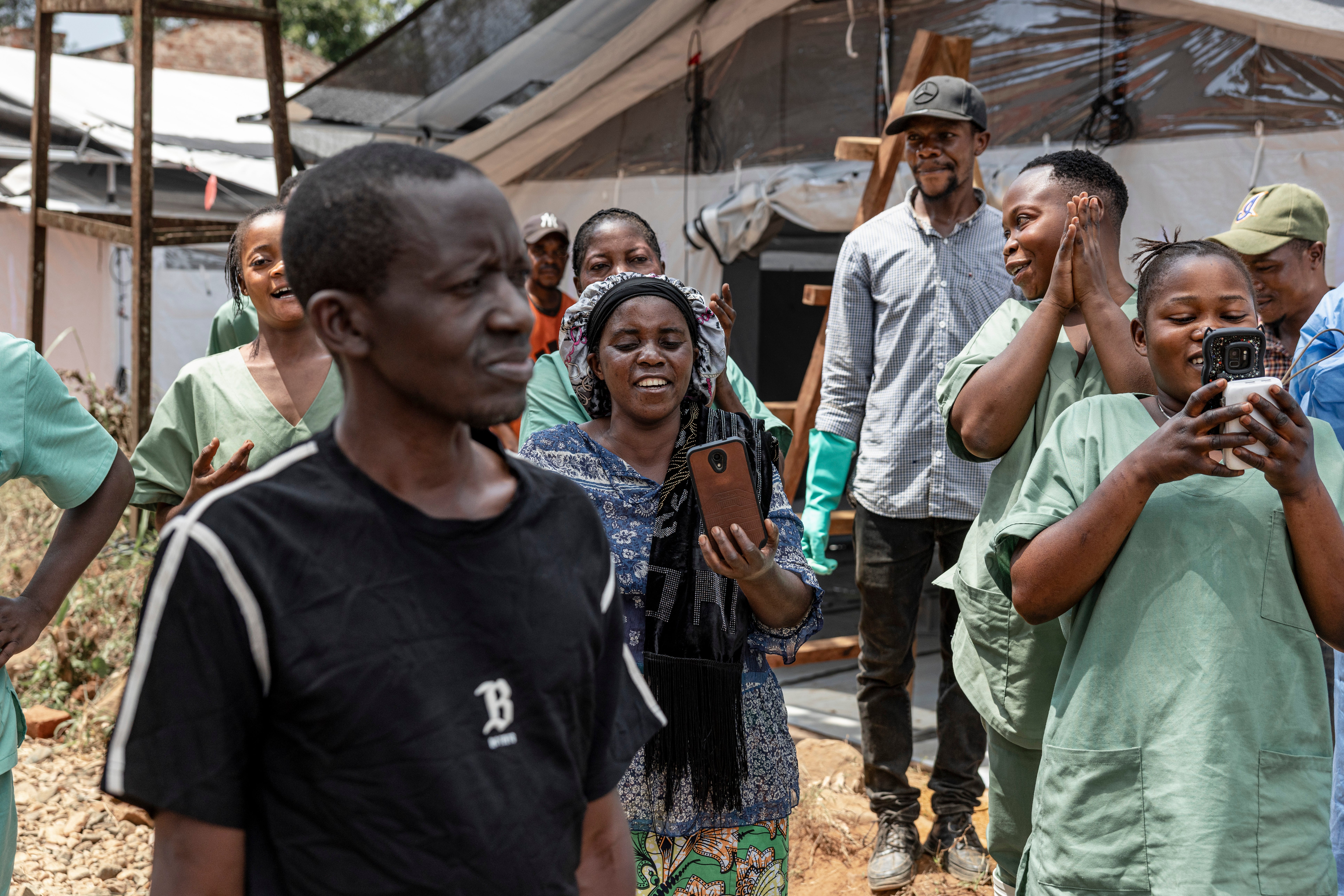
The Ebola outbreak in the Democratic Republic of Congo has so far infected more than 675 people
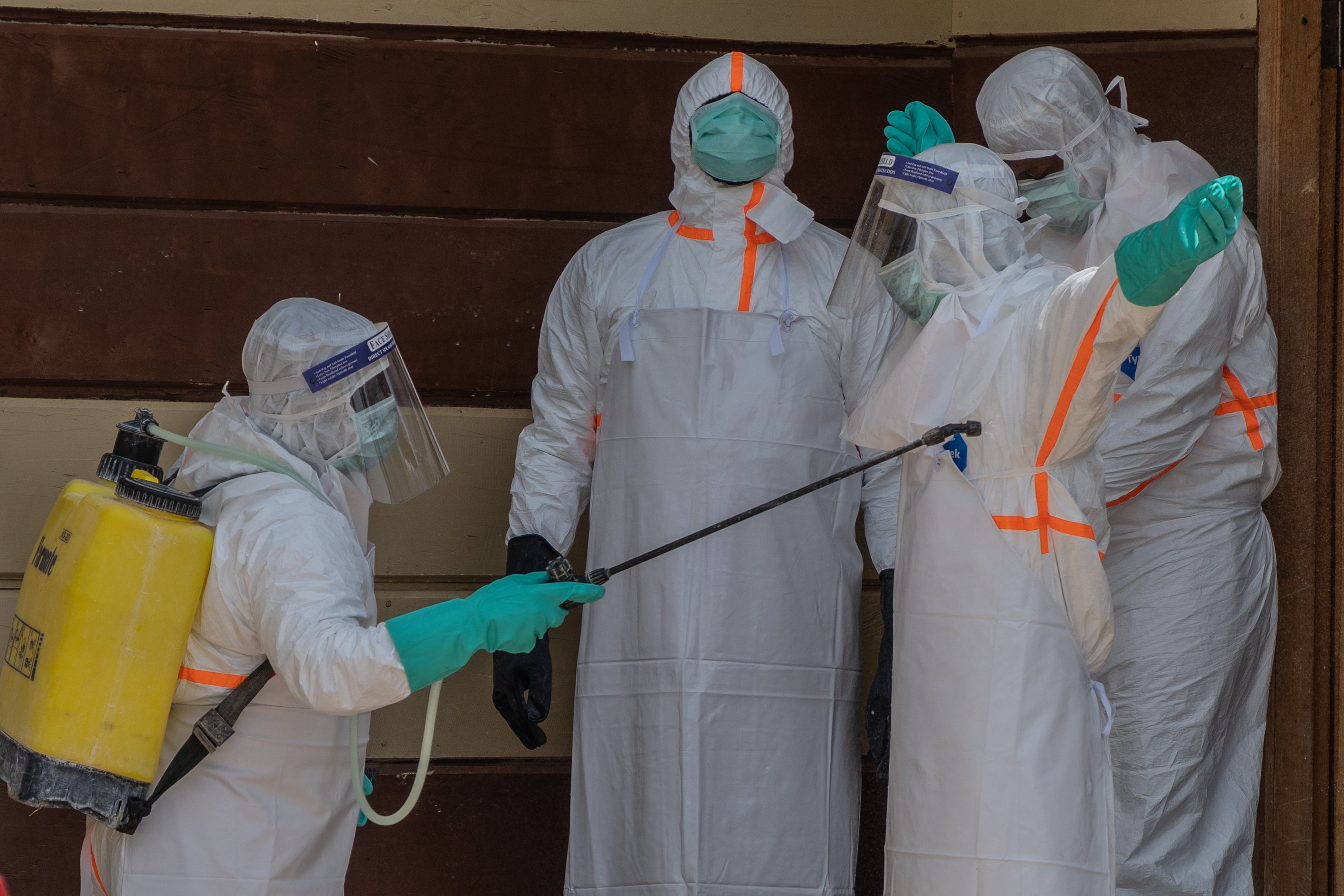
The United States is prepared to handle a potential Ebola case during the ongoing 2026 World Cup, infectious disease experts affirm, despite acknowledging the risk, while low, is not entirely absent.
This readiness marks a significant shift from a decade ago.
During the 2014 West African Ebola outbreak, a Liberian man, Thomas Eric Duncan, was initially turned away from a Dallas hospital despite exhibiting symptoms, only to be admitted later. Two nurses subsequently contracted the virus but survived.

This critical incident spurred a $260 million investment in U.S. Ebola preparedness, funding training and response capabilities, and establishing 13 specialized treatment centers.
These facilities are designed to ensure hospitals can effectively identify, isolate, and safely care for suspected Ebola patients.
Dr. Gavin Harris, an expert in serious communicable diseases at Emory University in Atlanta, one of the 11 U.S. World Cup host cities, stated, "We're not going to be able to prevent 100% of infections, but we certainly are the most prepared that we have ever been."
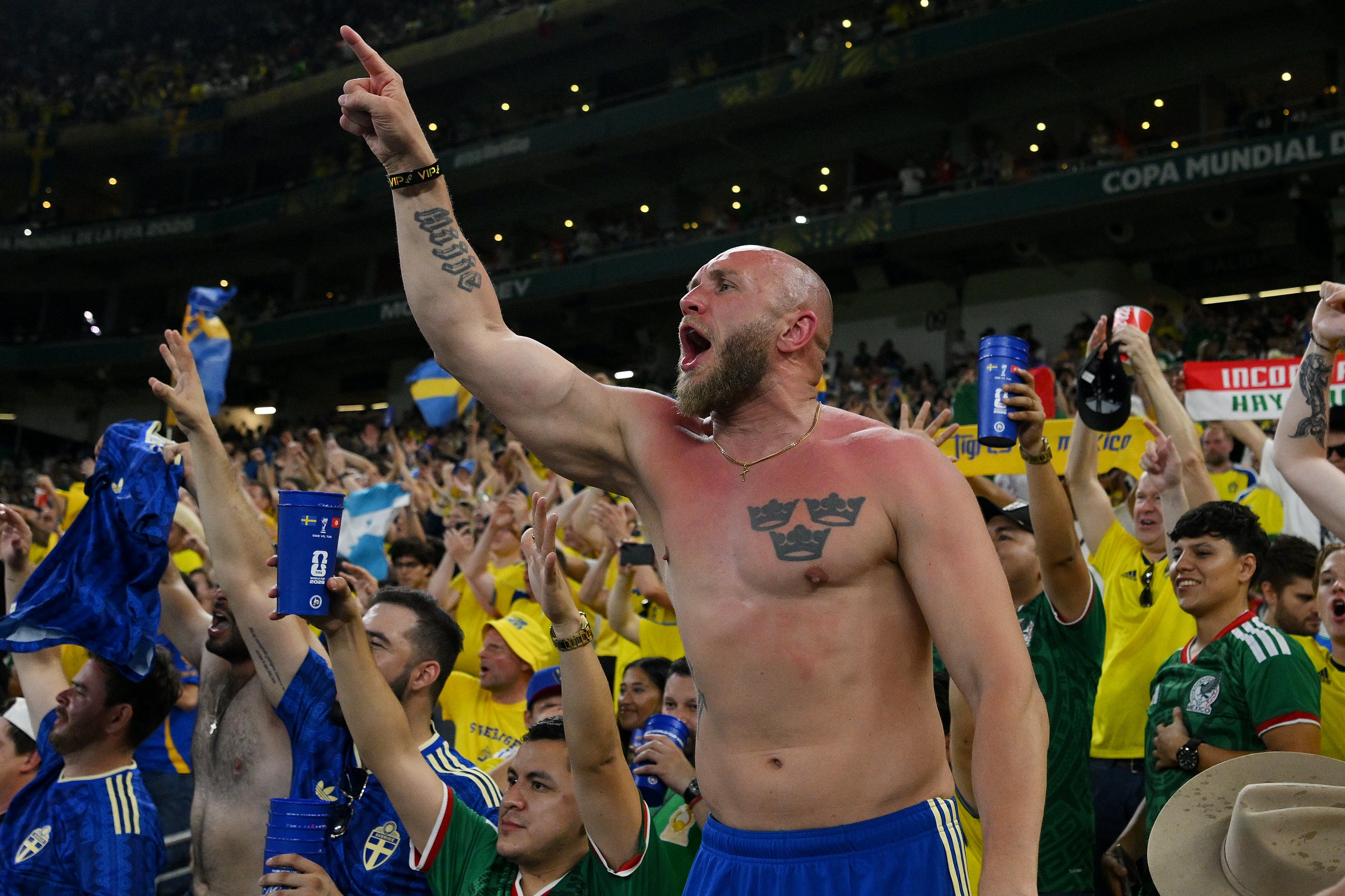
With 6.5 million fans expected to travel across North America for the 39-day tournament, featuring 104 matches across the United States, Mexico, and Canada, public health officials and hospitals in U.S. host cities have been diligently preparing for a spectrum of infectious disease threats.
While the U.S. Centers for Disease Control and Prevention (CDC), the Pan American Health Organization, and the World Health Organization all categorize the risk of Ebola to World Cup host countries as low, they identify measles, COVID-19, and influenza – common in large crowd gatherings – as more probable threats.
However, the ongoing Ebola outbreak in the Democratic Republic of Congo (DRC), which has infected over 675 people and claimed more than 135 lives, remains a significant concern.
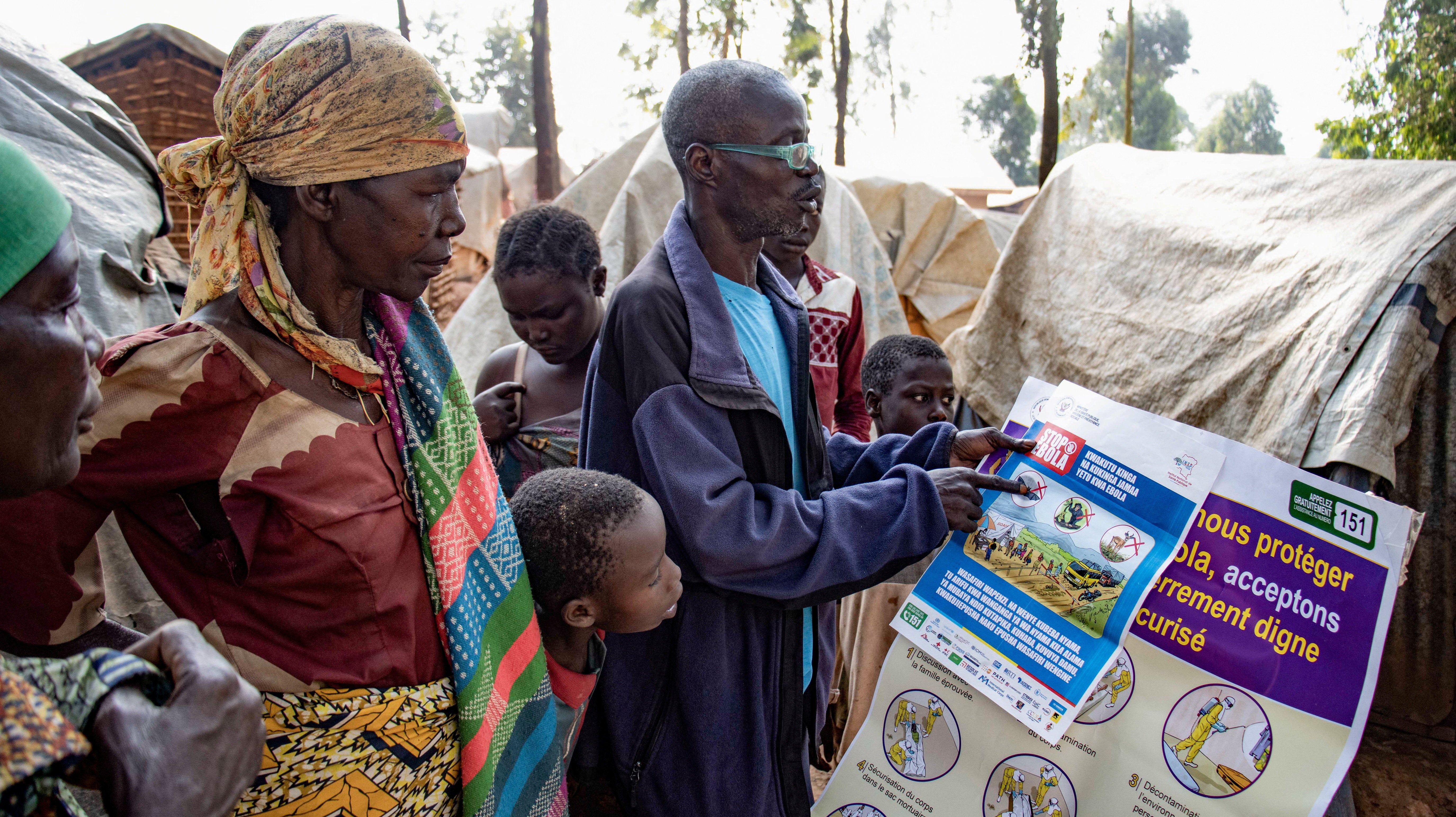
Dr. Tom Frieden, chief executive of Resolve to Save Lives and former director of the CDC, emphasized, "The risk of Ebola to anyone at the World Cup is extremely low. Ebola isn't airborne and doesn't spread through casual contact — it requires direct contact with the body fluids of someone who is ill."
He added a crucial caveat: "But low isn't zero, and it won't be zero until the outbreak is stopped at its source in DRC."
The current robust U.S. Ebola preparedness efforts, initiated in 2015, emerged from a collaborative partnership between Emory University, the University of Nebraska Medical Center, and NYC Health + Hospitals/Bellevue in New York City.
These institutions were at the forefront of caring for Ebola patients during the West African outbreak, the largest recorded to date. Emory's Dr. Harris noted, "There was a recognition that we had a duty to train other facilities to recognize potential patients who might be exposed or sick with something like Ebola."
Since then, thousands of healthcare workers have received training to identify and treat patients with Ebola and other severe pathogens.
For the World Cup specifically, preparedness experts have conducted nationwide training exercises, including simulations of a potential MERS outbreak.
They have also developed guidance for physicians, raising awareness of illnesses uncommon in their home cities, including mosquito-borne diseases such as malaria, dengue, and chikungunya.
To mitigate risks, the United States, Mexico, and Canada have implemented airport screening and travel bans, restricting entry for non-citizens who have recently traveled to countries affected by the outbreak.
The U.S. has also urged Europe to adopt similar restrictions. Dr. Harris believes these bans are likely to reduce the chances of Ebola reaching World Cup venues. In a notable instance, the DRC national soccer team left the country in May to train in Belgium before traveling to the United States, in compliance with U.S. restrictions.
In each host city, FIFA, local public health officials, and hospital systems have established medical committees.
These committees are conducting comprehensive assessments of infectious disease threats, considering factors such as the teams playing in their cities, prevalent diseases in their home countries, visa restrictions, and stadium logistics, according to Dr. Harris.
Some regions are exploring the supply of disease-specific treatments or protective gear to venues and are using surveillance tools, including wastewater monitoring, air quality data, and electronic medical records, to detect unusual clusters of illness.
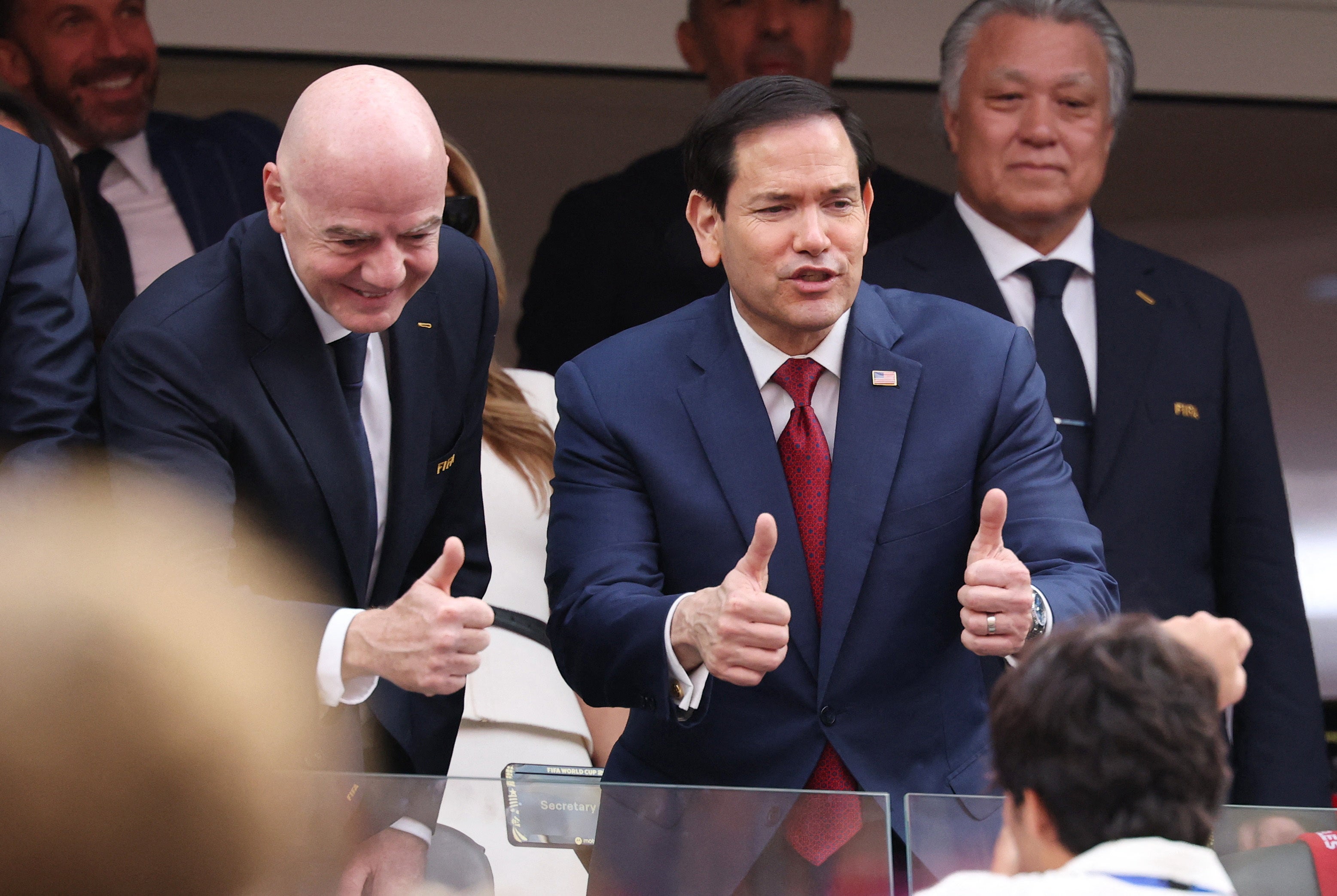
FIFA confirmed that medical-related risks are continuously assessed as part of overall tournament planning and are managed in close coordination with host cities, which provide medical leaders to oversee and coordinate services.
The organization also stated it is monitoring the Ebola outbreak and maintaining contact with sporting and health authorities in the DRC and the three host countries.
Dr. Michael Osterholm, an infectious disease expert at the University of Minnesota, highlighted that planning for mass gatherings in the U.S. is not a new endeavor.

"State and local health departments working in conjunction with CDC have for many years been at the forefront of individuals coming into this country," he explained.
To bolster disease monitoring and coordination, Georgetown University has established an independent Health Security Operations Center.
This initiative, a collaboration with over 30 public- and private-sector entities, provides daily reports to more than 700 state and local health authorities, approximately 60 federal partners, FIFA, and the CDC.
However, challenges persist. Staff reductions at the CDC, the U.S. withdrawal from the World Health Organization, and the strain on state and local health departments battling the largest U.S. measles outbreak in decades have taken a toll, according to Dr. Frieden and other experts.
Dr. Frieden voiced his primary concern: "My biggest concern is whether a CDC that's lost thousands of staff has the capacity, support, and mandate to move fast enough — both here and in DRC."
The U.S. Department of Health and Human Services, which oversees the CDC, did not respond to a request for comment.
Jeanne Marrazzo, chief executive of the Infectious Diseases Society of America, noted that Health Secretary Robert F. Kennedy Jr.'s cuts to public health have contributed to an exodus from government agencies.
Despite these setbacks, she affirmed in a briefing, "Nonetheless, we know the people who are still there are working around the clock in many cases to try to keep us safe."
Join our commenting forum
Join thought-provoking conversations, follow other Independent readers and see their replies
Comments
Bookmark popover
Removed from bookmarks