Water crisis looms as company warns it can’t meet demand for new homes
Councillors say it must serve as a wake-up call on the Labour government's plans to build 1.5m new homes
A water company already under scrutiny has issued a stark warning that it can only provide water for a fraction of the new homes planned for a significant area of the South East.
South East Water says that current housing targets are vastly exceeding its infrastructure capacity.
Tonbridge and Malling Borough Council is currently developing a new Local Plan, which aims to allocate land for 19,746 new residences across the borough by 2042, a move expected to increase the local population by over a third.
A spokesperson for the utility firm said: "From our review of the latest housing forecast figures, we have identified that we cannot accommodate additional growth beyond what was assumed in our Water Resources Management Plan 2024 in areas where we do not have a supply-demand surplus."
They added: "Specifically, in the Tonbridge and Malling area, where we currently lack available headroom in our supplies, we would be unable to accommodate any growth exceeding our 2024 forecast assumptions throughout the entire planning period."
The water authority’s own management plan was designed to supply 6,318 additional homes in Tonbridge and Malling by 2042. The council’s proposed target of 19,746 homes represents a 210 per cent increase on this figure.
Councillors at Tonbridge and Malling Borough Council (TMBC) said the warning must serve as a wake-up call on the Labour government’s plans to build 1.5 million new homes by the end of this parliament in 2029.
Cllr Mark Hood, chairman of the Council’s Area One Planning Committee, said: “The response from South East Water should be a reality check not only for our borough council, but across Kent and Sussex.”
“Water is one of our most precious resources - without it, our society grinds to a halt, schools close and farmers’ animals will die – as we have seen in recent months.”
A calf died of dehydration at Barland Farm in Tonbridge in January after the farm lost its water supply.
Cllr Hood said: “Kent is sleepwalking into a water crisis, and when the water industry warns us that the situation is unsustainable, we need to sit up and listen.”
Cllr Lee Athwal said that the problem was not over-ambitious housing targets, but years of under-investment in our utilities”.
She said: “We need more houses, but we need decent infrastructure. It’s time to stop private companies making all the profits while people suffer.”
The water companies are statutory consultees when local authorities are drawing up their Local Plans, which means that TMBC will now have to address South East Water’s concerns before proceeding further with its Local Plan.
But the water companies are not statutory consultees when it comes to individual planning applications, meaning water supply issues are never addressed at that stage; it is always assumed that supply is available.
Cllr Hood said: “The water industry should now be included as statutory consultees for planning applications in the same way that Kent Highways and the Environment Agency are.
“We have a situation where water companies have a legal duty to connect to new developments - irrespective of whether they have the capacity to supply clean water or to treat their wastewater and prevent the pollution of our streams and rivers.
“Currently, planning applicants are required to demonstrate how they will mitigate the impacts of their extra homes on traffic, school places and even library provision – but not water. This is madness.”
Under current regulations, planning committees are unable to impose conditions preventing the construction of new homes until clean water infrastructure is in place, unless they impose an exceptional “Grampian condition”, which the borough may now consider doing in respect of a current application for 1300 homes at Bradbourne, in Aylesford.
The fragility of South East Water’s infrastructure has been exposed over the past year, with widespread supply failures affecting large parts of its network.

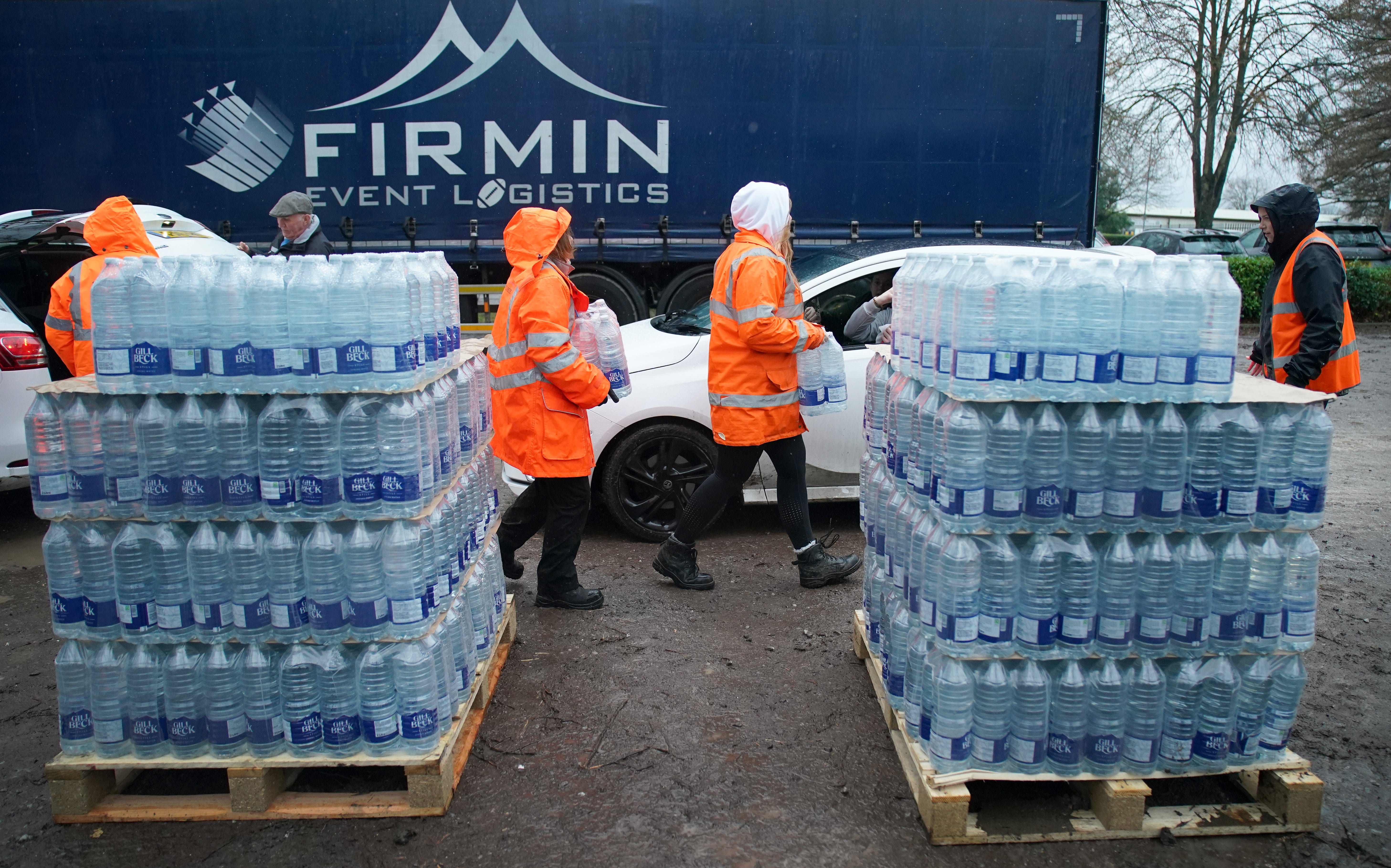
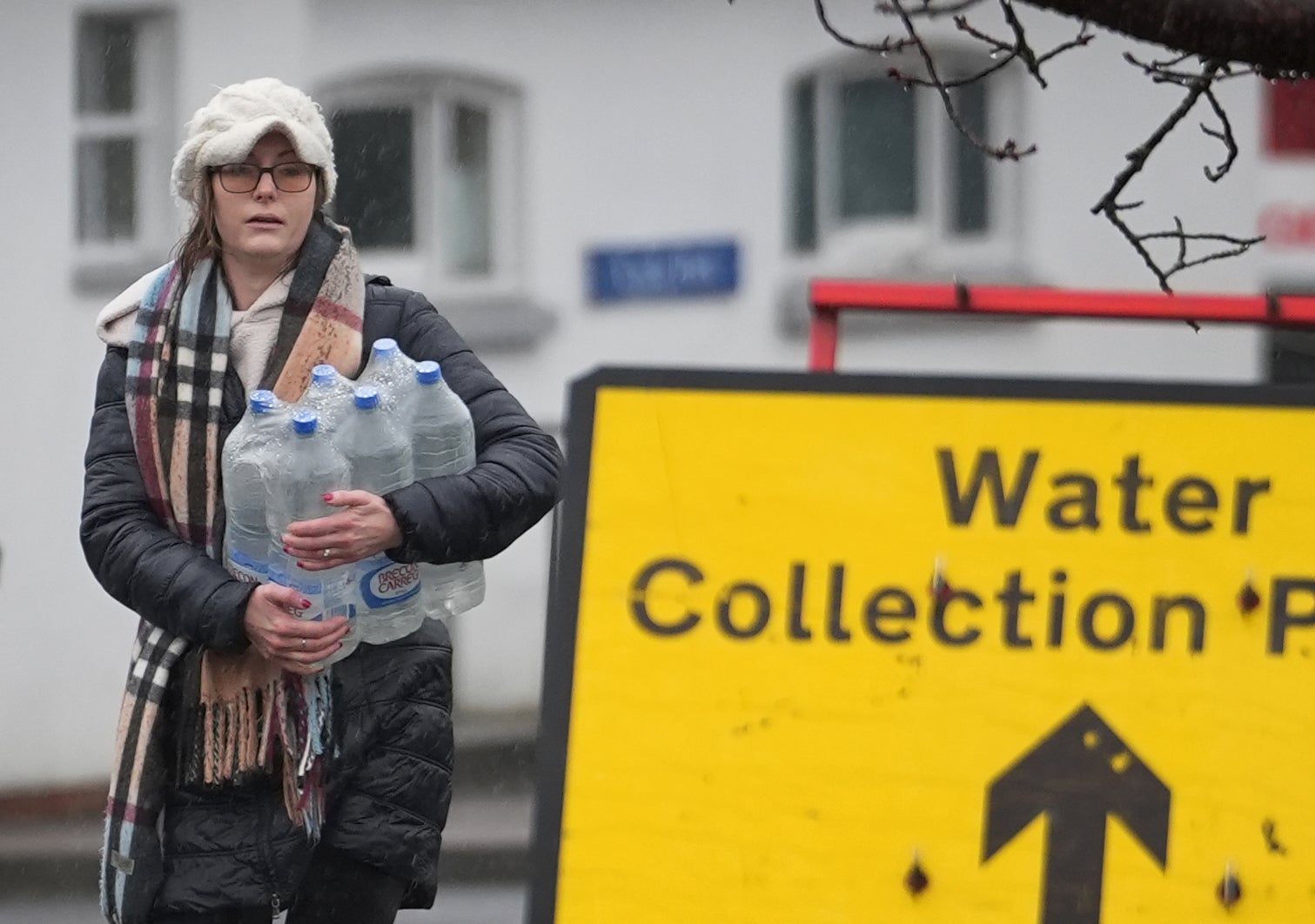
In January, around 8,000 homes in Tunbridge Wells, Tonbridge, Maidstone and Sevenoaks were left without water, some for days, after booster pumps at storage tanks failed. Bottled water stations had to be set up and water shipped into some areas by tanker.
As well as disruption to businesses, some schools had to close, and pupils at Tonbridge Grammar School had their mock International Baccalaureate examinations postponed.
Thousands of properties around Tunbridge Wells had already had their water supply cut off for six days at the start of December, in what Prime Minister Kier Starmer described in the House of Commons as “a serious issue”.
Only a week ago, the industry regulator Ofwat fined South East Water £22.46m after completing a damning investigation into supply failures that left thousands in Kent without water in multiple disruptions between 2020 and 2023.
Ofwat calculated that 286,000 customers had been affected in total.
Meanwhile, South East Water’s response to TMBC confirmed that supply issues were in doubt across the region, not just in Tonbridge and Malling.
It said: “The current supply-demand situation in our Tunbridge Wells, Maidstone and Cranbrook water resource zones is causing significant stress to our supply.”

The company did not say that it would never be able to meet the extra demand from increased housing numbers, but said that it would need “to rerun our decision-making process”.
It said that this “would help us identify additional interventions, such as new supplies, transfers, or increased demand-reduction programs”, but added that the possible solutions would not be available until it had completed its next Water Resources Management Plan – three years away in 2029.
The company’s head of water resources, Nick Price, said: “We update our Water Resources Management Plan (WRMP) every five years.
“We have started the process of developing the next plan, which will be published in 2029.
“We will be using the latest housing figures when creating the plan and will therefore accommodate any planned additional properties.
“Our current plan was prepared in 2024 using housing figures derived from the best available information at the time.
“Consequently, it does not reflect the significant uplift in the Objectively Assessed Housing Need that is now driving Tonbridge and Malling Borough Council’s draft Local Plan, which has risen to 1097 dwellings per annum.
“As confirmed in our consultation response to TMBC, this means that our current plan does not identify sufficient water supply headroom to accommodate the level of growth now proposed since its publication.”

A spokesman for Tonbridge and Malling Borough Council said: “Infrastructure capacity – including water supply – is a key issue raised during the Regulation 18 consultation and one we take extremely seriously.
“South East Water, like all utility providers, have statutory duties regarding supply and we are seeking clarification from them on the points raised in their consultation submission.
“We are also engaging with the government’s housing department to understand any implications for future planning.
“This is exactly what this stage of the Local Plan process is for: gathering feedback and identifying issues that need further work.
“We will continue to work closely with all providers to ensure the draft Local Plan is informed by up‑to‑date and comprehensive evidence that reflects the needs of our communities and delivers the infrastructure required to serve new development.”
South East Water’s Water Resources Management Plan 2024 explains that the company used consultants Edge Analytics to calculate future water demand. There are multiple factors involved in such predictions, climate change being one of them.
Housing and population growth are key factors.
Other factors included the rate of consumption per household. South East Water said that rate had reduced significantly over the past decade with the introduction of water meters.
On average, households reduce their consumption by 18 per cent once they have to start paying for the quantity they use.
But, with more than 90 per cent of its customers now on meters, South East Water has little leeway to continue with this saving.
The other large factor is the amount of water wasted through leaks.
Sometimes, social factors play a part. All water companies found that during Covid, with everyone working from home, the demand for water surged.
Join our commenting forum
Join thought-provoking conversations, follow other Independent readers and see their replies
Comments
Bookmark popover
Removed from bookmarks