If ADHD is a myth, what do psychotherapists like me do now?
A controversial Channel 4 documentary has dismissed attention deficit hyperactivity disorder as a social construct – but the practical struggles facing the growing army of adults and children seeking a positive diagnosis don’t disappear quite so easily, says Dr James Barnes
The Channel 4 documentary The Great ADHD Myth? had already generated a fierce reaction before it was shown. Little has changed since it was broadcast on Tuesday.
“An absolute disgrace” and “ableist misinformation” are among the responses that I’ve seen online.
ADHD UK has complained to Ofcom about the programme, while Adam Dance MP has led a cross-party letter from the All-Party Parliamentary Group on ADHD, arguing that questioning whether attention deficit hyperactivity disorder is “real” risks adding to the stigma faced by those with the condition.
But the fury and disbelief surrounding the documentary tells us something important.
For many, questioning whether ADHD is a neurological disorder or merely a ‘difference’ has become indistinguishable from questioning whether the experiences, distress and impairment associated with it are real. But these are separate questions, and the difficulty lies in keeping them so.
At the beginning of his documentary, Dr Max Pemberton, a full-time NHS psychiatrist, frames his inquiry by asking if it is a myth that the brains of people diagnosed with ADHD really are “wired differently”. That is a different question from whether ADHD itself is a myth.
Pemberton is right to reject the assumption that an ADHD diagnosis identifies a specific form of ‘wiring’. Neuroimaging studies have reported small average differences between groups defined by the diagnosis, but decades of investigation have not produced a reliable diagnostic biomarker or identified a developmental mechanism that defines the category. What needs to be unpacked, however, is what the documentary goes on to conclude – that ADHD “is a social construct, and not a brain disorder” – and, particularly, what that conclusion appears to imply about those who are diagnosed."
This is where the documentary risks falling foul of a false binary at the heart of the controversy surrounding it: either ADHD is a genuine neurodevelopmental disorder, or the difficulties gathered under the diagnosis are not real or are undeserving of support.
Near the beginning of the programme, the consultant clinical psychologist, Lucy Johnstone, says “the experiences and distress are real, but the explanation is false”. Pemberton has also been clear that people seeking diagnoses are genuinely struggling. This is the crucial distinction. Yet, it risks becoming lost when the documentary turns from justifiable scepticism about the neurological framing of those struggles to the question of what should take its place.
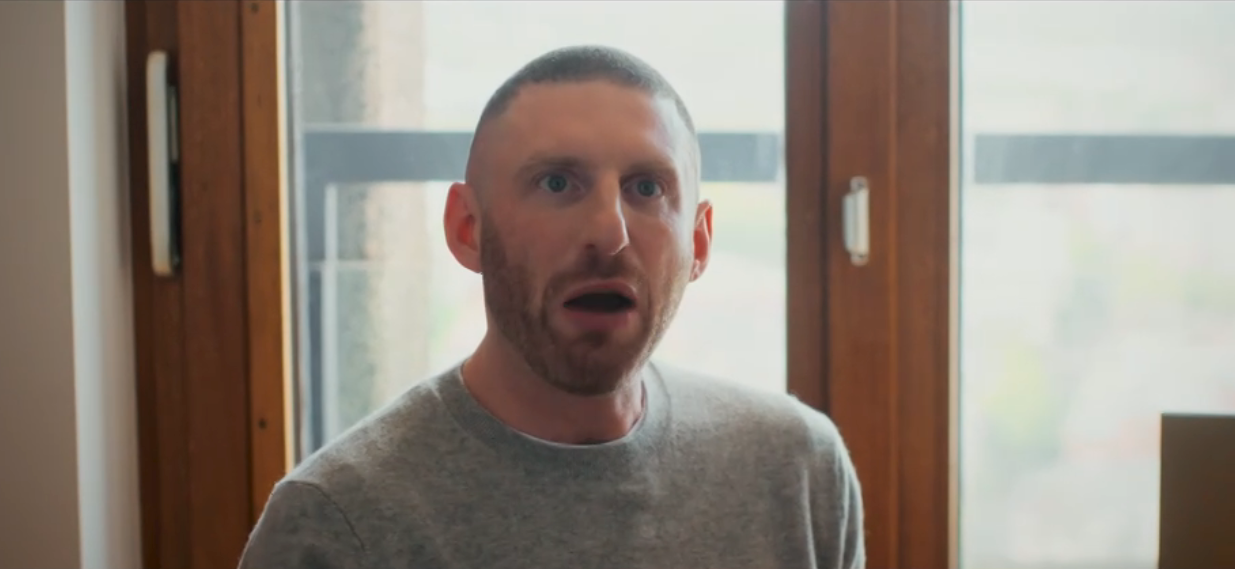
Mason, the 10-year-old boy at the centre of the documentary, was asked to have a six-week break from medication. In its place, the recommendation was less screen time, changes to his diet and more time in nature – and a mention of yoga. His family reported that he appeared happier, funnier and more himself. But his difficulties at school increased, and a postscript disclosed that he later resumed medication and that his schoolwork improved. The documentary also makes a point of discussing the medicalisation of normal difference.
It is reasonable to believe both that some normal human variation is being pathologised and that, for some children, changes to diet, screen use, exercise and environment may be an appropriate response – perhaps those two go together. However, what is clear is that the diagnosis of ADHD is also given to children and adults who are highly distressed and impaired by their experiences – and for whom such measures would be plainly insufficient. Mason may have been one of them.
A range of different difficulties can come to be identified as – or expressed through – inattention, impulsivity and hyperactivity. The problem is not the status and reality of those difficulties; it is their medicalisation – more specifically, the way psychiatric diagnoses, especially ADHD, are reified into entities that people “have” and that supposedly explain why their brains, lives and personalities are as they are.
Claims that ADHD is a “genuine neurodevelopmental disorder”, and that it is a “myth”, collapse the space in which two truths can be held together: that people’s experiences are genuine and consequential, and that psychiatric diagnostic constructs can be misleading and their validity contestable.
The controversy surrounding The Great ADHD Myth? offers us an opportunity to move beyond the usual polarisation – with defenders and critics increasingly coalescing into opposing camps, membership of each predicated upon denial of what is true of the other’s standpoint.
To the extent that the programme’s framing and the reactions to it depend upon confusing lived struggle with diagnostic status, clarifying that distinction is paramount. Following that path is harder than choosing between “brain disorder” and “myth”. But it is more honest – and far more useful.
The Great ADHD Myth? is available at www.channel4.com/programmes/the-great-adhd-myth. Dr James Barnes writes on psychotherapy at betweenus52.substack.com
Join our commenting forum
Join thought-provoking conversations, follow other Independent readers and see their replies
Comments
Bookmark popover
Removed from bookmarks